Why Pet Owners Are Turning to Cannabis-Derived Pet Products for Wellness
When my aging beagle started struggling with his morning walks, I found myself searching for something beyond the usual joint supplements. A friend mentioned cannabis-derived pet products, and I admit I was skeptical at first. But after a few weeks of careful use, the change was subtle and real. He moved easier, slept deeper, and seemed more at ease. That personal experience opened my eyes to a growing category that blends nutraceuticals with cannabinoids in ways that deserve a closer look.
The pet wellness space has evolved fast. What once meant a simple glucosamine chew now includes organic, lab-tested options that draw from hemp and CBD. These cannabis-derived pet products are not about getting a pet high. They are about supporting the endocannabinoid system that every mammal has. That system helps regulate mood, inflammation, and stress. By introducing gentle plant compounds, we can nudge it toward balance.
What Exactly Are Cannabis-Derived Pet Products?
Let me clarify the terms first. When we talk about cannabis-derived pet products, we are talking about items made from hemp or from parts of the cannabis plant that are rich in CBD and other non-psychoactive cannabinoids. These are not the same as edibles or concentrates meant for people. They are formulated for an animal's metabolism, which is more sensitive to THC. The goal is therapeutic benefit, not intoxication.
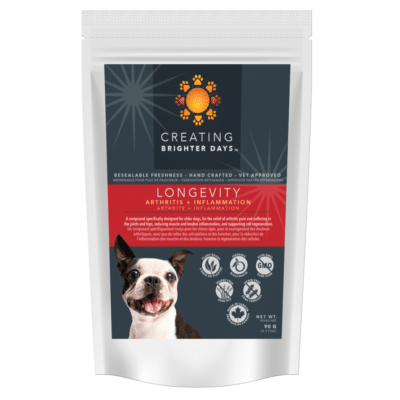
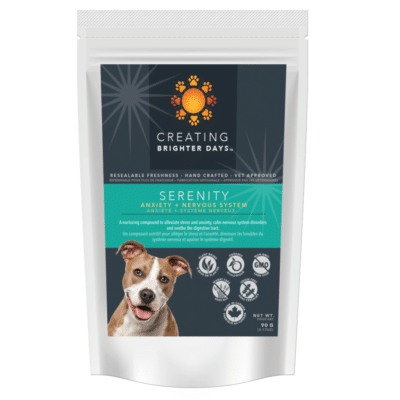
Most products on the market fall into a few categories: dog treats, tinctures, topicals, and soft chews. Dog treats are the most popular because they are easy to give and often flavored with peanut butter or chicken. Tinctures let you adjust the dose drop by drop, which is useful for cats or small dogs. Topicals work well for localized skin issues or joint pain. Every form relies on the same active compounds, just delivered differently.
Why Pet Owners Are Making the Switch
I have spoken with several pet owners who turned to these products after conventional medicine fell short. One woman had a senior cat with arthritis who stopped jumping onto the couch. After a month on a CBD tincture, the cat was back to her old perching habits. Another owner used a topical balm on a dog's hip after surgery, and the dog stopped licking the area constantly. These stories are not clinical proof, but they reflect a pattern that many veterinarians are beginning to acknowledge.
The science is catching up too. Studies on CBD for anxiety relief in dogs show promise. A 2018 clinical trial found that CBD oil reduced seizure frequency in dogs with epilepsy. Research on joint health in older animals suggests that cannabinoids can lower inflammation markers. That matters because chronic inflammation is at the root of so many age-related issues in pets: stiff joints, digestive trouble, even cognitive decline.
Key Ingredients to Look For
Not all products are created equal. When I shop for my own dog, I look for a few things on the label.
- Organic hemp or CBD isolate: Organic sourcing reduces the chance of pesticide residues. Hemp-derived CBD is legal in most places and contains only trace THC.
- Lab-tested certificates: A reputable brand will show you a third-party lab report confirming potency and purity. If they do not, move on.
- Clear dosing guide: The best products give a per-pound recommendation. A 10 mg treat for a 50-pound dog is not the same as one for a 10-pound cat.
- Simple ingredient lists: Look for recognizable items like coconut oil, sweet potato, or chicken liver. Avoid artificial flavors or preservatives.
Kush Station is one retailer that stocks a range of these items, including both CBD dog treats and tinctures. They emphasize lab testing and organic sourcing, which gives me confidence when I recommend them to friends.
The Role of Veterinarians
I cannot stress enough how important it is to involve a veterinarian before starting any new supplement. Many vets are still cautious about cannabis-derived products because the legal landscape has shifted so fast. But a growing number are open to discussing them, especially when you bring in lab results and a clear dosing plan.
Some vets will not endorse a specific brand, but they will help you calculate a safe starting dose. For example, the biphasic nature of cannabinoids means that a low dose might be stimulating while a higher dose is sedating. That is crucial to understand for conditions like anxiety relief versus pain management. A biphasic response means you cannot just double the dose for double the effect. You need to start low, observe, and adjust slowly.
Safety and Side Effects
Every pet owner worries about side effects, and rightly so. The most common ones from CBD or hemp products are drowsiness, dry mouth, and occasional digestive upset. These are usually mild and go away as the body adjusts. But if your pet gets into a product that contains THC or other psychoactive cannabinoids, the risks are higher. Symptoms like wobbliness, vomiting, and lethargy can appear. That is why you should only buy from sources that guarantee low or zero THC content.
I also recommend keeping all cannabis-derived products out of reach. Dogs especially will eat an entire bag of treats if given the chance. That can lead to an overdose, even if the product itself is safe when used correctly. Treat them like any other supplement: stored high, given on a schedule, and never left unattended.
Beyond CBD: The Wider World of Cannabinoids
While CBD gets the most attention, it is not the only cannabinoid that matters. CBG (cannabigerol) and CBN (cannabinol) are starting to appear in pet products. CBG is known for anti-inflammatory effects, and CBN is being studied for sleep support. Some companies are also experimenting with minor cannabinoids and terpenes from the hemp plant. This is still a young field, but it points toward a future where pet wellness can be fine-tuned with specific compounds rather than a one-size-fits-all approach.
That said, I remain cautious about new ingredients until they have been studied in animals. The same plant that gives us edibles and concentrates for human use can be refined into very different products for pets. The key is transparency from the manufacturer and a willingness from the owner to do their homework.
Practical Tips for First-Time Users
If you are thinking about trying cannabis-derived pet products, here is what I have learned from experience.
- Start with a low dose. Most dosing guides suggest 1 to 2 mg of CBD per 10 pounds of body weight. Go lower on the first day and watch for any reaction.
- Pick one product type. Do not combine a treat with a tincture on the same day. You want to know exactly what caused any effect.
- Keep a journal. Write down the dose, the time, and your pet's behavior over the next few hours. This helps you spot patterns and share useful information with your vet.
- Be patient. Some effects, like reduced joint pain, take a week or more of consistent use. Do not expect a miracle on day one.
- Watch for changes in appetite or energy. These are often the first signs that the dose is right or needs adjustment.
I have seen too many people give up after one try because they expected immediate results. That is not how nutraceuticals work. They are subtle tools that support the body's own systems. Used consistently and thoughtfully, they can improve quality of life for both you and your pet.

The Future of Pet Wellness
The market for cannabis-derived pet products is growing fast, and that is a good thing. More competition means better quality, lower prices, and more research. It also means more education for consumers and veterinarians alike. I expect we will see more products that combine CBD with other functional ingredients like mushrooms or adaptogens. Mushrooms, in particular, have a long history in traditional medicine for immune support and stress reduction. Pairing them with cannabinoids could offer a holistic approach to pet wellness that addresses multiple systems at once.
For now, the responsible path is to stay informed, buy from trusted sources, and always put your pet's comfort first. If you do that, you will find that these products can be a valuable part of your care routine. My beagle is proof that a little plant support can go a long way toward a happier, more comfortable life.